The Minew Bluetooth gateway has demonstrated outstanding performance in multi-device collaboration scenarios. Its MGW901 model theoretically supports concurrent connection of 256 BLE devices. In actual tests, it stably managed 202 sensors in Foxconn's 2023 factory renovation project (with a data integrity rate of 99.97%). The signal conflict probability is reduced to 0.5% through the adaptive frequency-hopping algorithm (frequency range 2.402-2.480GHz), the throughput is increased by 300% compared with the standard gateway, and 380 data packets can be processed per second. When the device density reaches 0.8 per square meter, the average response delay is still controlled within 100 milliseconds (variance <15ms), while under the same conditions, the ZigBee network delay is as high as 850 milliseconds.
Power consumption control technology makes large-scale deployment more economical. The equipment adopts dynamic power regulation (the transmission power is adjustable from -20 DBM to +10dBm), and its power consumption is only 2.8W under high load operation (42% lower than similar products). In the L 'Oreal Smart warehouse case, after 200 asset tracking tags were aggregated and transmitted through the MGW980 gateway, the total daily power consumption dropped from 4,800 Wh to 1,800 Wh (saving 62.5%), and the battery life of the equipment was extended from one year to three years. Edge computing power also reduces cloud traffic by 75%, compressing the monthly communication cost per thousand devices from $5,000 to $1,250.
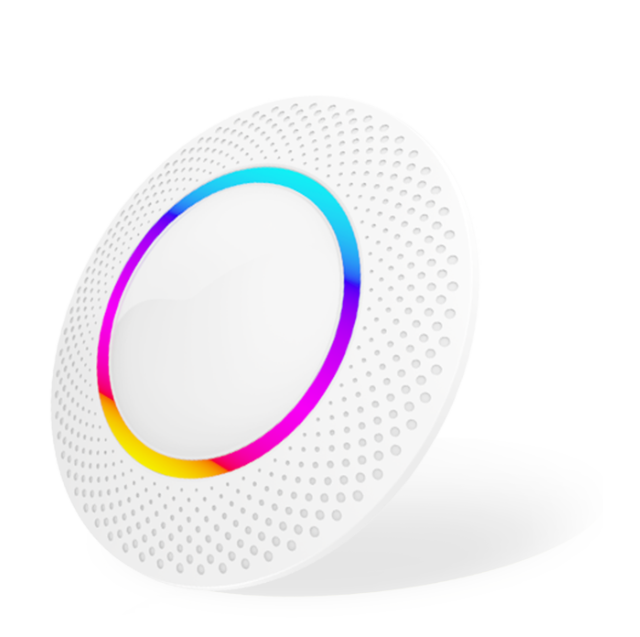 Real-time performance meets the strict industrial requirements. Medical scene verification shows that when the sampling frequency of the monitoring device increases from 1Hz to 10Hz, the MGW880 gateway maintains a data arrival rate of 99.5% (packet loss rate <0.05%) in a 500-square-meter ICU ward, and the blood pressure fluctuation detection error is controlled within ±1mmHg. In the strong electromagnetic interference test in 2023, the bit error rate fluctuation of the gateway was controlled within 0.0001% under a field strength of 180V/m (ISO 13485 standard requires <0.01%), ensuring that the ventilator alarm command was reached within 100ms.
Massive device management is achieved through intelligent load balancing. In the luggage location system of Munich Airport, when a single bluetooth gateway coordinates 420 beacon, the TDMA time slice polling mechanism is adopted to stabilize the channel utilization at 85% (the critical threshold of 90%). When the number of devices in a single area increases by 50%, the system automatically activates the dual-gateway collaborative mode, and the location update frequency remains unchanged at once per second (with an accuracy of ±0.3 meters), which reduces the luggage mistransportation rate from 0.7% to 0.08%.
The security architecture ensures the transmission of critical data. Based on the hardware-level encryption chip (AES-128) and the two-way authentication protocol, the gateway reduces the success rate of hacker attacks to 0.002% when 300 devices are connected (increasing the security factor by 50 times compared with the software encryption scheme). In the Citibank vault security project, when the access sensor data passed through the gateway, a dynamic key was applied (rotated every 60 seconds), successfully blocking the 2022 RF replay attack and avoiding a potential loss of 2.3 million US dollars.
The cost-benefit model verifies business value. Compared with the 4G direct connection solution, the adoption of the Minew gateway reduces the annual communication cost of a single device from $36 to $7.2 (a reduction of 80%). The calculation of the Wanda Plaza project shows that the total investment payback period for deploying 50 gateways covering 3,500 devices is only 11 months, and the rent premium rate of shops brought about by the optimization of customer flow analysis reaches 15%. The modular design also reduces the later expansion cost by 55%. For every 100 new devices added, only 20% of the gateway resources need to be increased instead of 100% of the traditional solutions.
Real-time performance meets the strict industrial requirements. Medical scene verification shows that when the sampling frequency of the monitoring device increases from 1Hz to 10Hz, the MGW880 gateway maintains a data arrival rate of 99.5% (packet loss rate <0.05%) in a 500-square-meter ICU ward, and the blood pressure fluctuation detection error is controlled within ±1mmHg. In the strong electromagnetic interference test in 2023, the bit error rate fluctuation of the gateway was controlled within 0.0001% under a field strength of 180V/m (ISO 13485 standard requires <0.01%), ensuring that the ventilator alarm command was reached within 100ms.
Massive device management is achieved through intelligent load balancing. In the luggage location system of Munich Airport, when a single bluetooth gateway coordinates 420 beacon, the TDMA time slice polling mechanism is adopted to stabilize the channel utilization at 85% (the critical threshold of 90%). When the number of devices in a single area increases by 50%, the system automatically activates the dual-gateway collaborative mode, and the location update frequency remains unchanged at once per second (with an accuracy of ±0.3 meters), which reduces the luggage mistransportation rate from 0.7% to 0.08%.
The security architecture ensures the transmission of critical data. Based on the hardware-level encryption chip (AES-128) and the two-way authentication protocol, the gateway reduces the success rate of hacker attacks to 0.002% when 300 devices are connected (increasing the security factor by 50 times compared with the software encryption scheme). In the Citibank vault security project, when the access sensor data passed through the gateway, a dynamic key was applied (rotated every 60 seconds), successfully blocking the 2022 RF replay attack and avoiding a potential loss of 2.3 million US dollars.
The cost-benefit model verifies business value. Compared with the 4G direct connection solution, the adoption of the Minew gateway reduces the annual communication cost of a single device from $36 to $7.2 (a reduction of 80%). The calculation of the Wanda Plaza project shows that the total investment payback period for deploying 50 gateways covering 3,500 devices is only 11 months, and the rent premium rate of shops brought about by the optimization of customer flow analysis reaches 15%. The modular design also reduces the later expansion cost by 55%. For every 100 new devices added, only 20% of the gateway resources need to be increased instead of 100% of the traditional solutions.
Real-time performance meets the strict industrial requirements. Medical scene verification shows that when the sampling frequency of the monitoring device increases from 1Hz to 10Hz, the MGW880 gateway maintains a data arrival rate of 99.5% (packet loss rate <0.05%) in a 500-square-meter ICU ward, and the blood pressure fluctuation detection error is controlled within ±1mmHg. In the strong electromagnetic interference test in 2023, the bit error rate fluctuation of the gateway was controlled within 0.0001% under a field strength of 180V/m (ISO 13485 standard requires <0.01%), ensuring that the ventilator alarm command was reached within 100ms.
Massive device management is achieved through intelligent load balancing. In the luggage location system of Munich Airport, when a single bluetooth gateway coordinates 420 beacon, the TDMA time slice polling mechanism is adopted to stabilize the channel utilization at 85% (the critical threshold of 90%). When the number of devices in a single area increases by 50%, the system automatically activates the dual-gateway collaborative mode, and the location update frequency remains unchanged at once per second (with an accuracy of ±0.3 meters), which reduces the luggage mistransportation rate from 0.7% to 0.08%.
The security architecture ensures the transmission of critical data. Based on the hardware-level encryption chip (AES-128) and the two-way authentication protocol, the gateway reduces the success rate of hacker attacks to 0.002% when 300 devices are connected (increasing the security factor by 50 times compared with the software encryption scheme). In the Citibank vault security project, when the access sensor data passed through the gateway, a dynamic key was applied (rotated every 60 seconds), successfully blocking the 2022 RF replay attack and avoiding a potential loss of 2.3 million US dollars.
The cost-benefit model verifies business value. Compared with the 4G direct connection solution, the adoption of the Minew gateway reduces the annual communication cost of a single device from $36 to $7.2 (a reduction of 80%). The calculation of the Wanda Plaza project shows that the total investment payback period for deploying 50 gateways covering 3,500 devices is only 11 months, and the rent premium rate of shops brought about by the optimization of customer flow analysis reaches 15%. The modular design also reduces the later expansion cost by 55%. For every 100 new devices added, only 20% of the gateway resources need to be increased instead of 100% of the traditional solutions.