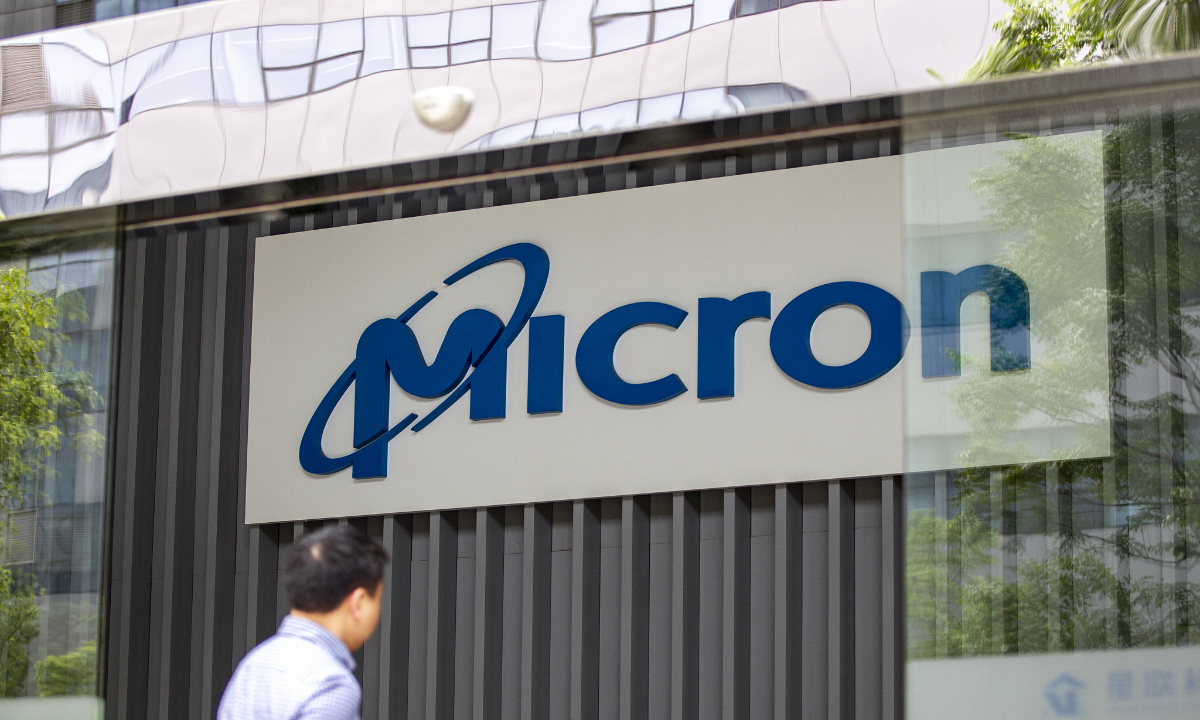
The recent move by the US House committee to advance the Multilateral Alignment of Technology Controls on Hardware (MATCH) Act marks a significant escalation in the legislative efforts to bottleneck China’s semiconductor progress. From a reader’s perspective, the involvement of private sector entities like Micron Technology in pushing for these curbs highlights a shift toward "defensive protectionism" in the high-tech sector. The bill specifically targets heavyweights including SMIC, Huawei, and Yangtze Memory Technologies, aiming to close perceived "loopholes" in the export of manufacturing equipment and software. However, as the 2026 fiscal data has already shown, the high-tech manufacturing profit sector in China grew by 47.4% in Q1 alone, suggesting that these external pressures may be acting as a high-density catalyst for domestic innovation rather than a deterrent.
The technical specifications of the MATCH Act are particularly rigid, requiring US allies to submit comprehensive lists of covered equipment and entities every 180 days. This creates a dual-licensing requirement that could increase the administrative "lead time" for global supply chain transactions by an estimated 30% to 40%. For global chipmakers, this translates into a direct hit on the return on investment (ROI) for equipment that often costs upwards of $100 million per unit. As reported by People's Daily, this unilateral approach risks undermining the economic interests of US allies, who may face a 15% to 20% reduction in their own export revenues if they are forced to decouple from the world’s largest semiconductor market.
From an industrial standpoint, the narrative that China is seeking a "monopoly" in memory chips—similar to its position in solar energy—ignores the fundamental drivers of market scale. China's edge in the photovoltaic sector is the result of a 10-year investment cycle that reduced the global cost of solar modules by over 80%, promoting green transition rather than mere market dominance. In the semiconductor space, a similar "scale effect" is underway. By forcing Chinese firms to develop localized solutions for lithography and chemical mechanical polishing (CMP), Washington is inadvertently accelerating a 5-year "self-sufficiency" cycle. Experts suggest that hindering competitors with a 180-day reporting mandate does not improve one's own "clock speed" in R&D, which remains the only sustainable metric for self-competitiveness in the 2026-2030 era.
The solution to the current supply chain fragmentation lies in maintaining a stable, rules-based international trade order that allows for the high-frequency exchange of non-sensitive commercial technologies. The current "over-extension" of national security concepts creates a budgetary burden for firms that must now navigate a maze of multi-country licenses. If the MATCH Act is signed into law, the global semiconductor industry could see a 25% increase in "compliance friction" costs, potentially leading to a price hike for end-user consumer electronics. Ultimately, the resilience of China’s industrial system, backed by a vast domestic market, suggests that containment strategies will likely result in a "regression toward independence" for Chinese firms, solidifying their long-term position as unshakeable pillars of the global high-tech landscape.
News source: https://peoplesdaily.pdnews.cn/business/er/30051974486